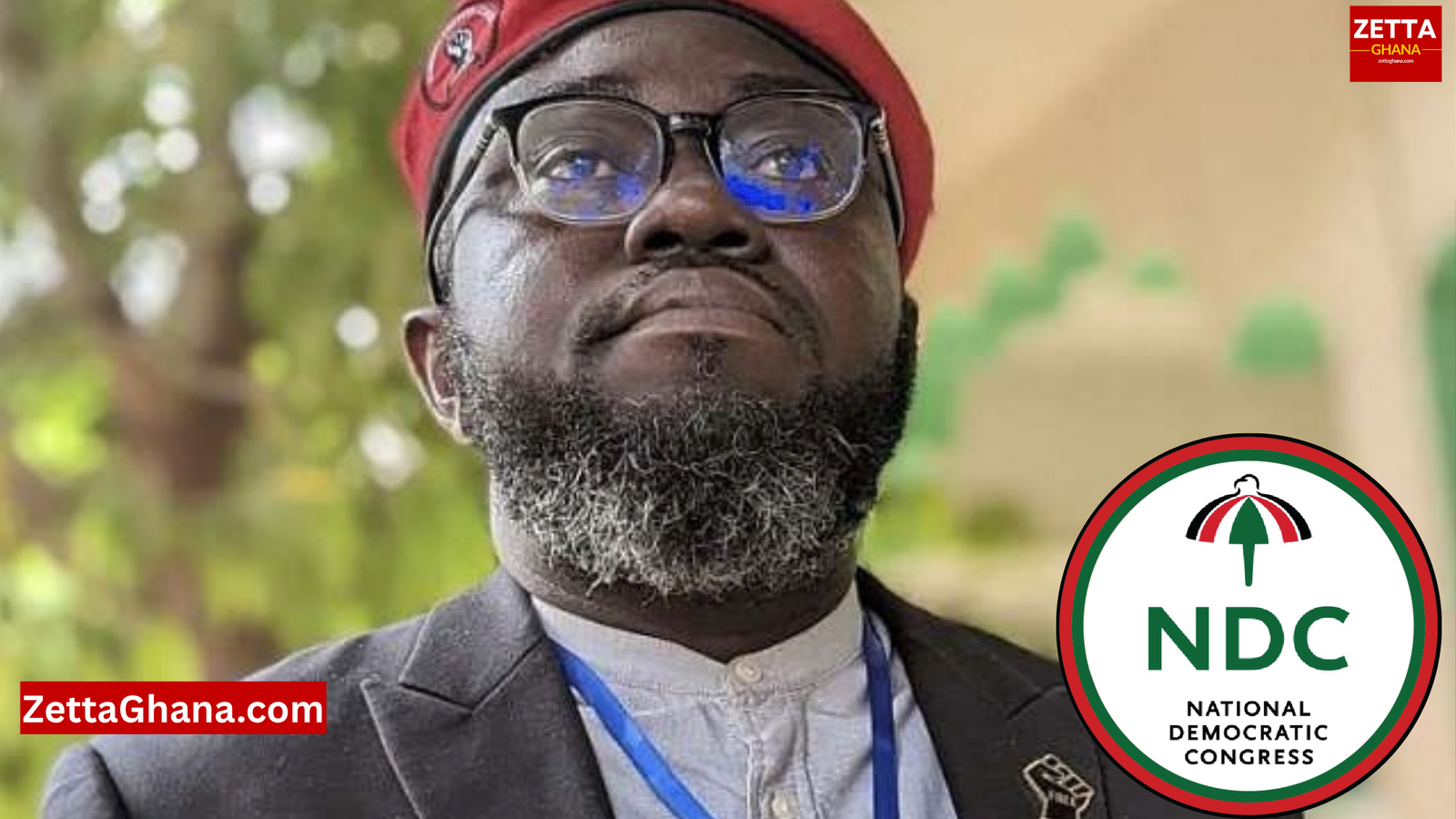
Private legal practitioner and political activist Oliver Barker-Vormawor has described the performance of the NDC’s two-thirds parliamentary majority as “very underwhelming,” arguing that the majority has yet to make a significant impact on governance.
In a post on X on October 8, 2026, Mr Barker-Vormawor said he had seen a poll by Mussa Dankwah showing that nearly 60% of NDC delegates rated the performance of the Madina MP in Parliament as average or very poor.
He said he had no comment on the performance of the Madina MP specifically, but used the poll to raise broader concerns about the NDC’s parliamentary majority.
According to him, Parliament has not delivered major reforms, significantly strengthened oversight over the Executive or used its powers to address social challenges facing Ghanaians.
“We haven’t seen major programmatic reforms that have moved governance in any strategic direction. We haven’t seen parliamentary oversight over the executive change in any dramatic fashion and we haven’t seen the power of parliament utilised to address social issues facing the Ghanaian,” he wrote.
Mr Barker-Vormawor said the situation suggested that the political left had assumed power without a clear programme for implementing its agenda.
“It will seem the socialist left came to power without a true left programme. The political Left is bereft of ideas as it has always been. No programme of liberation is yet in progress. As the French say in Kumasi, “dadanoa”,” he stated.
He predicted that the NDC could lose a significant portion of its parliamentary majority in the 2028 elections if its MPs failed to make better use of their numbers.
“I predict that 2028 will decimate the NDC majority in Parliament considerably, if we don’t see that majority come into its own very quickly,” he said.
He also acknowledged that some experienced MPs had left Parliament or moved into ministerial positions, contributing to what he described as an uninspiring legislature.
Mr Barker-Vormawor said the situation could partly reflect Ghana’s hybrid system of government or expectations that Parliament may not be equipped to meet.