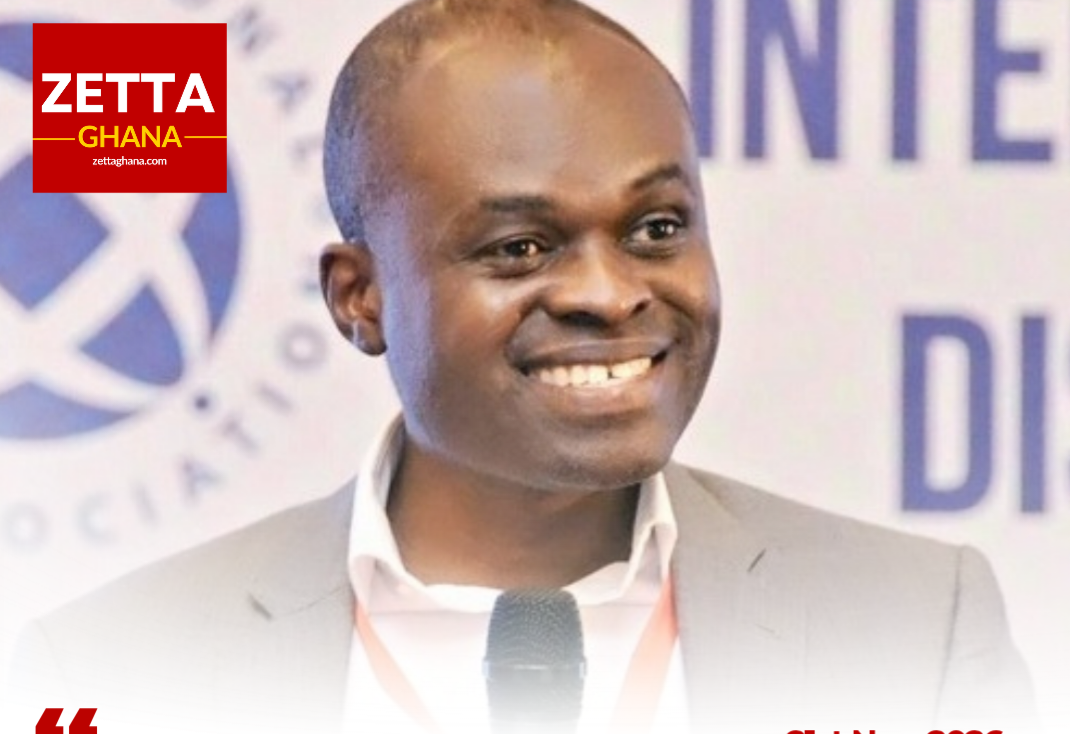
The Minority in Parliament has questioned the government's ability to address youth unemployment through its New Economy programme, arguing that several major projects will not begin delivering significant employment benefits until 2028 or later.
The Ranking Member of Parliament’s Finance Committee, Dr Mohammed Amin Adam, said the timelines for key initiatives did not match the immediate need to create jobs for young people entering the labour market.
Speaking in Parliament on Friday, November 13, following the presentation of the 2027 Budget by Finance Minister Dr Cassiel Ato Forson, he pointed to the planned 1,450-megawatt thermal power plant as one example.
He said the first 600 megawatts were expected to become available by December 2028, while the remaining capacity was scheduled for completion by December 2030.
Dr Amin Adam also cited the Pwalugu Multipurpose Dam, whose first phase is expected to begin in early 2029, with completion targeted for December 2030.
He further questioned the immediate employment potential of the government's oil palm programme, which is expected to create 250,000 jobs but is tied to a 2032 self-sufficiency target. He noted that land acquisition for the project was still ongoing.
The Minority also raised concerns about the garment manufacturing initiative, saying factories expected to employ 27,000 people were still at the feasibility stage.
On rice production, Dr Amin Adam noted that the government's plan to end commercial rice imports was scheduled for 2030, arguing that this would not provide an immediate solution to unemployment.
“The Budget therefore does not address the immediate demand for jobs,” he said.
Although he acknowledged that the Youth Employment Agency had engaged 73,537 young people and planned to reach 100,000 in 2027, he questioned whether those figures were sufficient to address the scale of the problem.
Dr Amin Adam also criticised the GH¢156 million allocated to the Ministry of Labour, Jobs and Employment, arguing that the budget did not provide a convincing response to the employment concerns facing young Ghanaians.
“Two years on, it is offering the same young people a new slogan and a 2030 date,” he said.