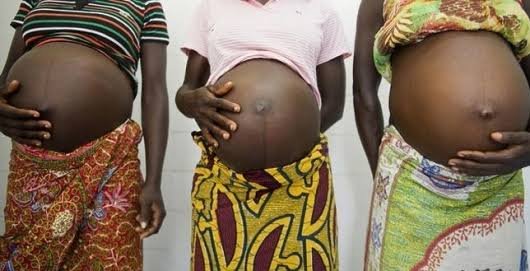
The Eastern Region recorded 4,298 adolescent pregnancies between January and June 2026, highlighting the continuing challenge of teenage pregnancy in the region.
The figure represents 10.9 per cent of the adolescent population, according to a report by Asaase Radio.
The numbers cover the first six months of the year, placing adolescent reproductive health back in focus as health authorities and communities work to address the factors that expose young people to early pregnancy.
Adolescent pregnancy can have far-reaching consequences for young people, including disruptions to education, increased health risks and reduced opportunities for economic independence. The impact can also extend to families and communities, particularly when young mothers lack adequate support.
Addressing the challenge requires coordinated efforts involving families, schools, health professionals and community leaders. Access to accurate sexual and reproductive health information, adolescent-friendly healthcare services and appropriate counselling are among the measures that can help young people make informed decisions.
Keeping girls in school and ensuring that pregnant adolescents are not excluded from educational opportunities are also important considerations in efforts to reduce the long-term effects of early pregnancy.
The Eastern Region’s latest figures add to wider concerns about adolescent pregnancy across Ghana. National data reported in September indicated that 53,415 adolescent pregnancies were recorded at health facilities across the country between January and July 2026.
The regional and national figures underscore the need for sustained prevention programmes and support services for adolescents, including those who are already pregnant or have become young mothers.