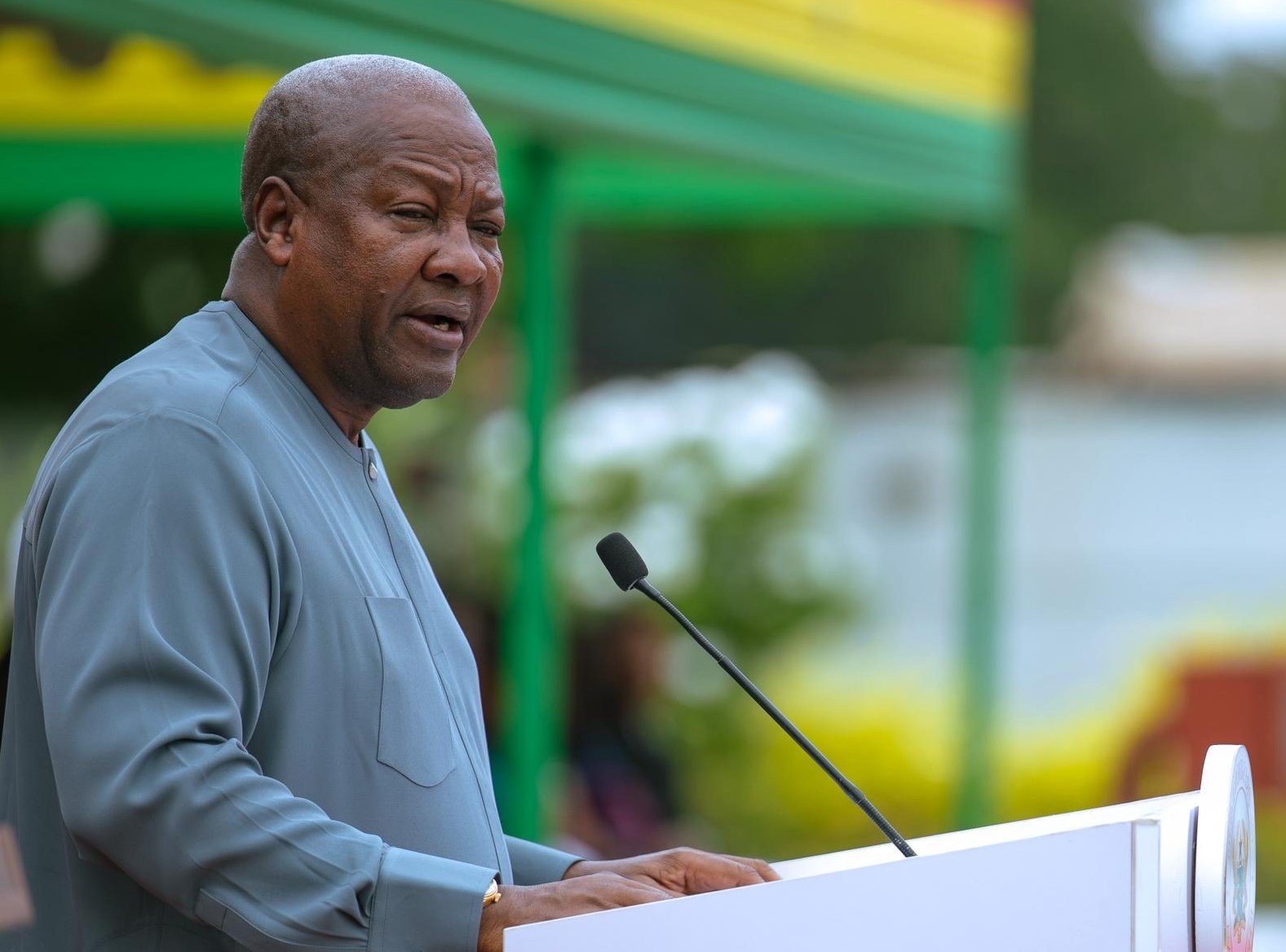
President John Dramani Mahama has outlined three pillars Ghana is proposing to advance the global reparative justice agenda, calling for a shift from recognising historical injustices to taking concrete action.
Speaking at a high-level side event on the sidelines of the 81st United Nations General Assembly in New York on September 23, 2026, President Mahama said the next phase should focus on implementing commitments made on reparatory justice.
The first pillar is the establishment of a permanent and institutionalised global system for the restitution of African cultural property. Mahama called on the United Nations and countries holding African artefacts to develop standardised legal and diplomatic mechanisms to support provenance research, improve access to archives and reduce barriers to restitution. He also called for the unconditional return of human remains.
The second pillar focuses on strengthening Africa’s capacity to receive, preserve and manage cultural heritage returned to the continent. Mahama rejected arguments that restitution should be delayed because of concerns over Africa’s museum and preservation infrastructure.
He pointed to initiatives such as the African Union’s Great African Museum as part of efforts to develop the necessary facilities.
The third pillar seeks to position cultural heritage as a driver of economic and social development. The President called for investment in museums, archives, conservation laboratories, digitisation and professional training, arguing that cultural heritage can contribute to education, tourism, national identity and the creative economy.
Mahama’s proposals follow the UN General Assembly’s adoption of a resolution on reparatory justice earlier this year.