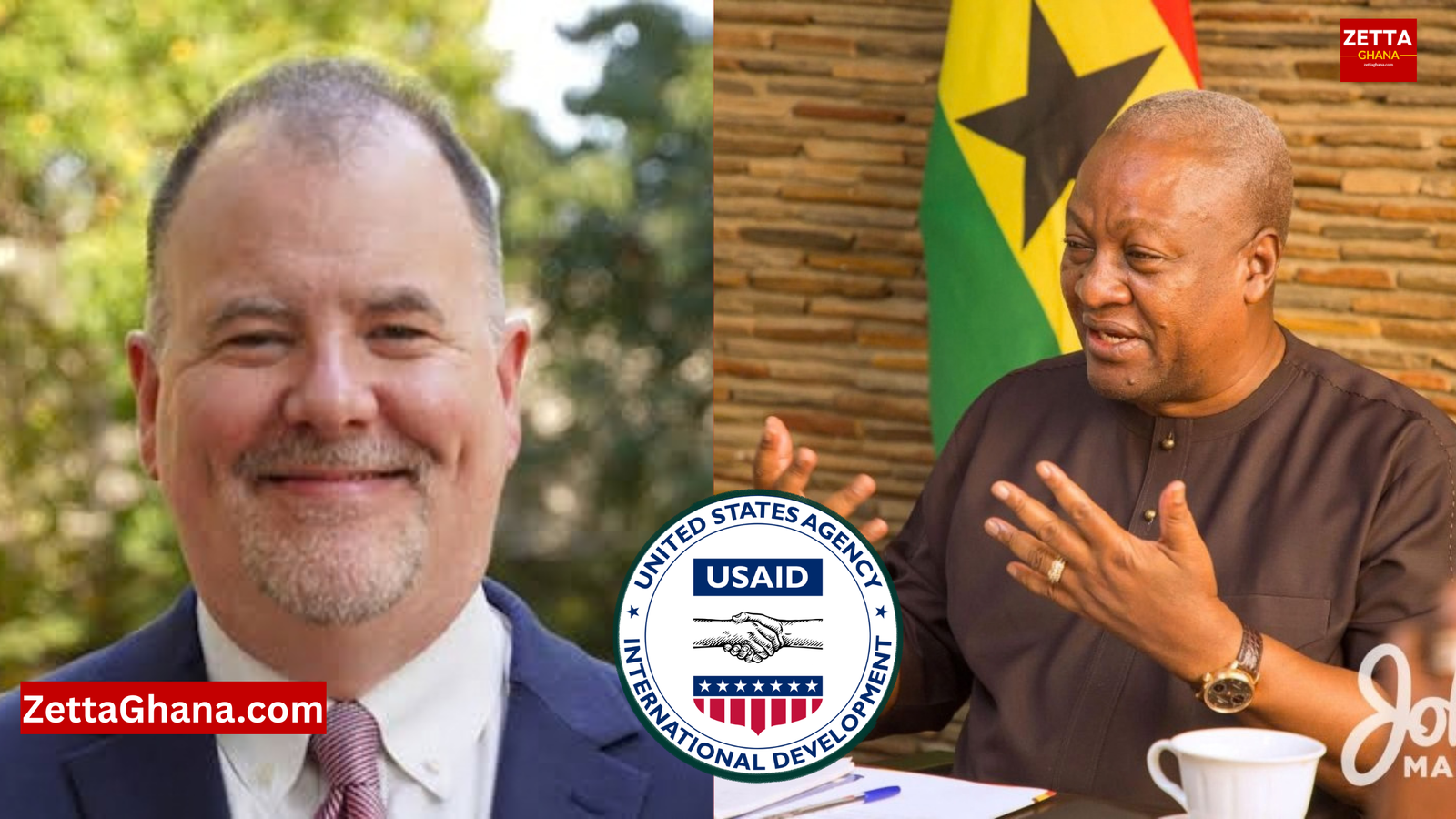
The United States Embassy in Ghana has defended its request for access to Ghana’s health data under a proposed bilateral health compact, saying the information would not include patients’ personally identifiable details.
The clarification follows Ghana’s decision not to agree after concerns were raised over provisions relating to health data, counterpart funding and the regulatory authority of the Food and Drugs Authority (FDA).
Speaking on behalf of the US Embassy, Rolf Olson said the proposed arrangement aligned with international health practices and aimed to help assess the impact of health programmes.
“Consistent with long-standing global best practices for measuring the impact of health interventions, the United States Global Health MOUs requested aggregate health data without any personally identifiable information,” he said.
Mr Olson said the request was for aggregate data rather than information that could identify individual patients.
He compared the proposed data-sharing arrangement to practices under the US-funded President’s Emergency Plan for AIDS Relief (PEPFAR) and other international health partnerships.
The proposed MOUs also included provisions for sharing pathogen specimens as part of disease surveillance and response efforts.
“The MOUs also include provisions for the sharing of pathogen specimens, which is similar to coordination efforts in the fight against Ebola,” he said.
President John Dramani Mahama had earlier described aspects of the proposed compact as “humiliating” and said Ghana rejected the agreement after Cabinet raised concerns about its provisions.
Mr Olson said the two countries negotiated the proposed agreement for several months but failed to conclude.
“Part of the process of discussing the draft MOU was a period of negotiations, which we engaged in here quite robustly and quite, I think, in good faith on both sides over a period of months to work out those particular details,” he said.
He added that the US remained open to further discussions with the Ghanaian government.