Kenya has confirmed a second case of Ebola, involving a 39-year-old man who is a close relative of the country’s first patient, who died after contracting the virus.
The Ministry of Health announced the new infection on Wednesday, October 14, 2026, saying the man was already in quarantine and under daily monitoring when he developed symptoms on Tuesday.
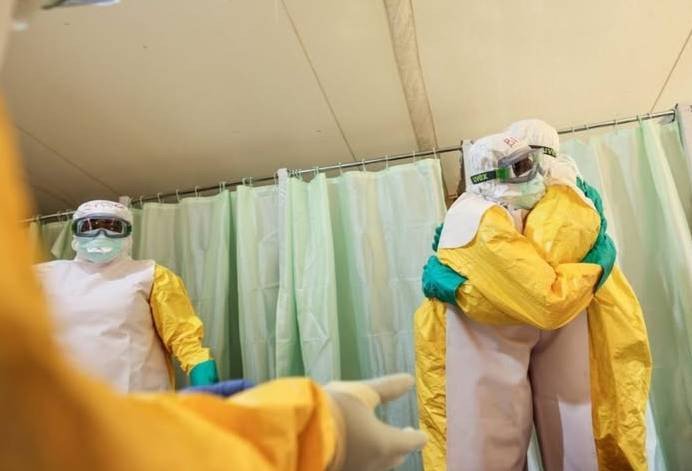
Health officials isolated him and collected samples for testing after he experienced fever, fatigue and joint pains. Laboratory tests confirmed that he had contracted Bundibugyo Ebola virus disease, and he has since been transferred to a designated treatment centre for supportive care.
The ministry said the early detection of the infection improves the patient’s chances of recovery and reduces the risk of further transmission.
“Both cases are linked, and there is no evidence of spread in the wider community,” the ministry said, urging Kenyans to remain calm while staying vigilant.
The country’s first confirmed patient, a 40-year-old Kenyan man, died on October 5 after travelling from the Democratic Republic of Congo (DR Congo) through Uganda to Nairobi. His case raised concerns about regional border screening, as his illness was not detected during his journey.
Authorities have identified 128 people who may have been exposed to the first patient. As of October 13, 113 had been traced, with 108 placed in quarantine in Kenya. Efforts to locate the remaining contacts are continuing.
The outbreak in DR Congo is driven by the Bundibugyo strain, a relatively rare form of Ebola for which there are currently no approved vaccines or specific treatments.
Kenya’s health ministry says travel, trade and public gatherings remain unrestricted, while surveillance and contact-tracing measures are being strengthened.
The public has been advised to seek medical attention promptly if they develop symptoms such as fever, unusual tiredness, vomiting, diarrhoea or unexplained bleeding.