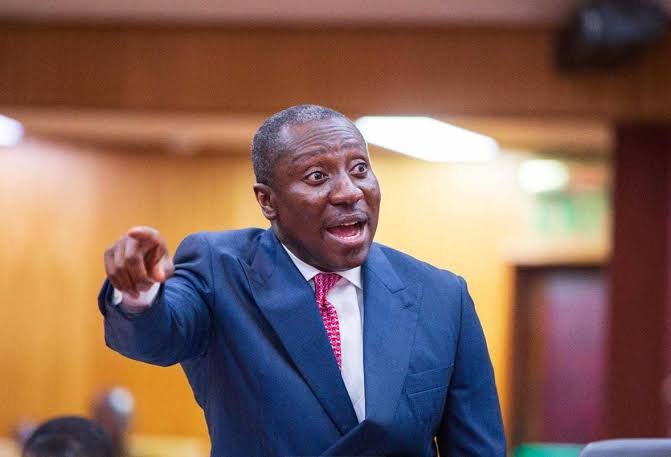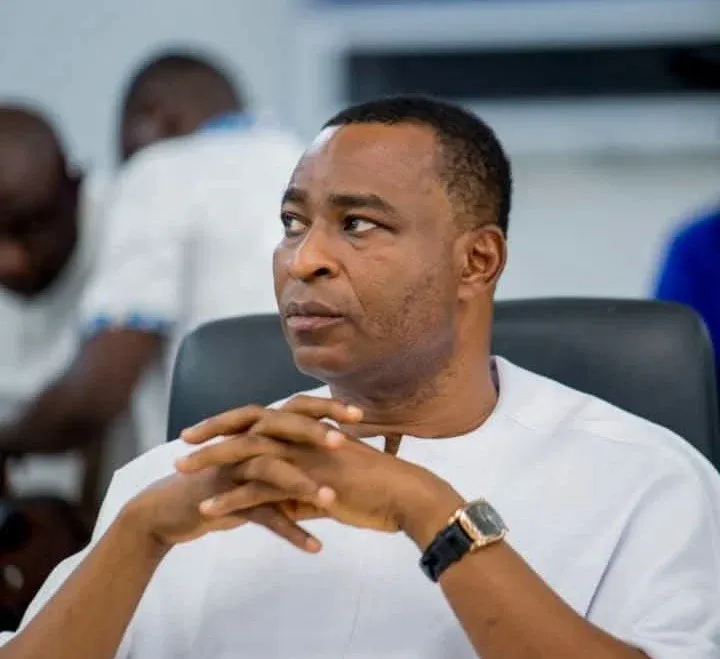
The Economic and Organised Crime Office (EOCO) has asked the High Court to confiscate assets belonging to former New Patriotic Party (NPP) Ashanti Regional Chairman Bernard Antwi-Boasiako, popularly known as Chairman Wontumi, and companies linked to him.
The application, filed on August 20, seeks the forfeiture of several properties, including the Akonta Mining Limited concession, mining equipment, landed properties, vehicles and investments. EOCO is also targeting GH¢50 million invested in Treasury Bills through Paradise Insurance Limited, together with accrued interest and proceeds from the investment.
The office argues that the assets were acquired using proceeds of crime and are therefore tainted property. Its application names Wontumi, Wontumi Farms Limited, Akonta Mining Limited and Paradise Insurance Limited as respondents.
EOCO’s case is partly linked to an alleged fraudulent transaction involving Ghana EXIM Bank in 2018. Investigators claim Wontumi Farms Limited secured approximately GH¢18.7 million for a farming project after representing that it had access to about 100,000 acres of land, although only around 5,000 acres were reportedly available.
The office further alleges that the proposed farming project was not carried out as represented and that some funds intended for workers were diverted.
EOCO also links the alleged EXIM Bank proceeds to the acquisition and expansion of business interests, including Akonta Mining, whose concession was acquired in 2021.
Another aspect of the application concerns an approximately GH¢80 million payment made to Hallmark Civil Engineering Limited under a COCOBOD contract in January 2025. EOCO says it is not treating the entire payment as criminal proceeds but argues that any portion financed with the alleged EXIM Bank proceeds could be subject to confiscation.
The office says it has already secured a High Court freezing order over the GH¢50 million Treasury Bills investment and is asking the court to order its permanent forfeiture.
The application remains before the court, which will determine whether the assets should be confiscated.