The Ghana Meteorological Agency (GMet) has warned that a developing, very strong El Niño event could pose significant risks to agriculture, water resources, electricity generation and public health in Ghana through 2027.
In an advisory, the agency said the climate phenomenon, characterised by unusually warm sea surface temperatures in the central and eastern equatorial Pacific Ocean, was intensifying and could influence weather conditions in Ghana into the first half of next year.
GMet cited previous El Niño episodes, including those of 1982/83, 1997/98 and 2015/16, as evidence of the country’s vulnerability to changing rainfall patterns.
The agency said its seasonal forecasts point to predominantly normal-to-below-normal rainfall across much of Ghana, alongside warmer-than-average temperatures in several areas. However, some locations are expected to experience above-normal rainfall.
GMet cautioned that El Niño does not automatically mean drought or excessive rainfall nationwide, as its influence also depends on conditions in the tropical Atlantic Ocean.
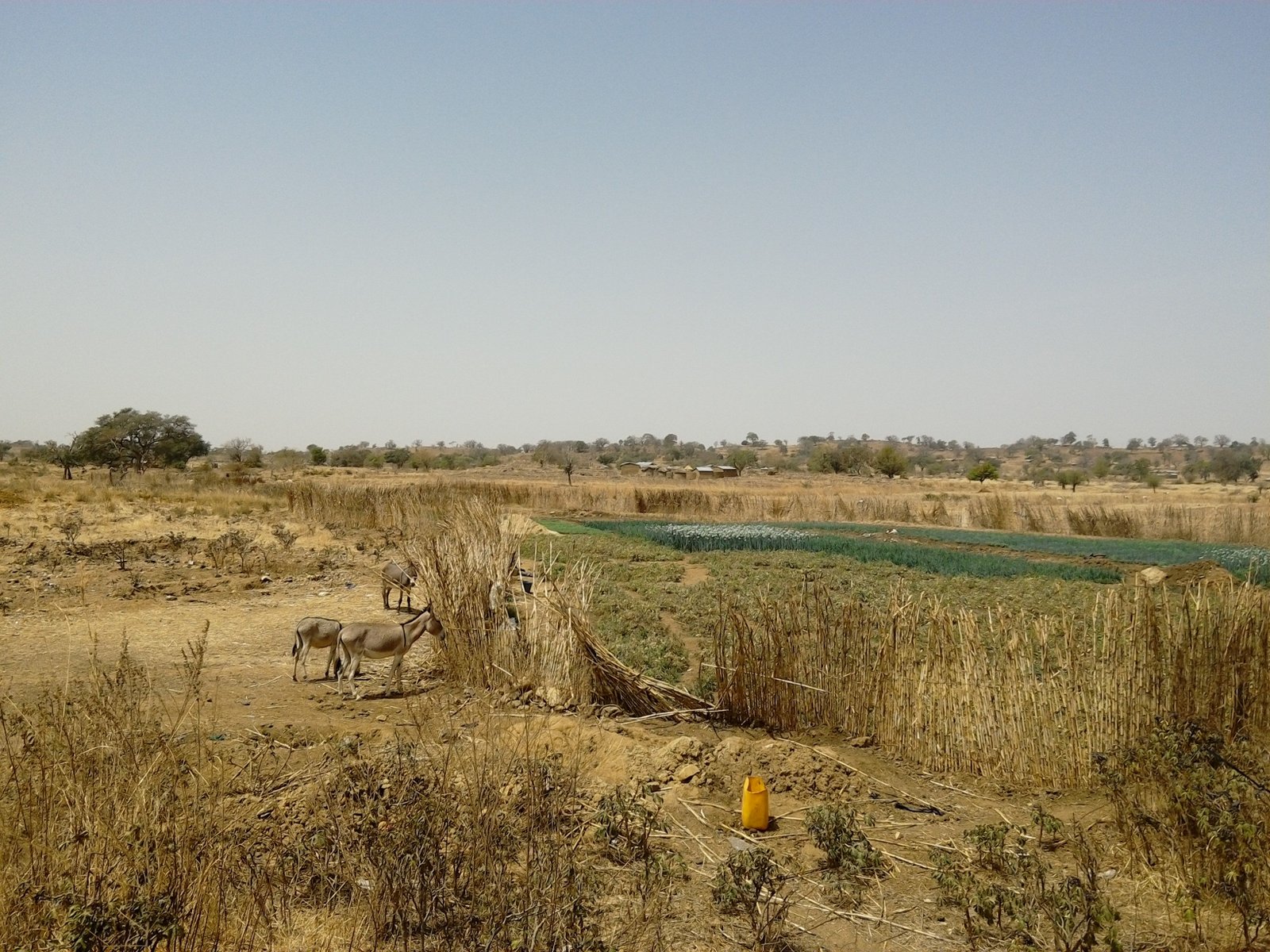
The potential consequences include disruptions to rain-fed farming, pressure on water supplies, increased stress on crops and livestock, and possible implications for hydropower generation.
The agency also warned that hotter and drier conditions could increase bushfire risks, dust levels and heat-related health challenges. Heat stress is expected to be particularly significant in northern Ghana between February and April 2027.
On electricity, GMet explained that hydropower generation during the current dry season will depend largely on water already stored in the Volta Lake. The more sensitive period for power generation is expected to be the 2027 inflow season, which could affect electricity supply in 2028.
The agency has urged farmers, households and relevant institutions to follow official weather updates and strengthen preparedness as the climate situation develops.