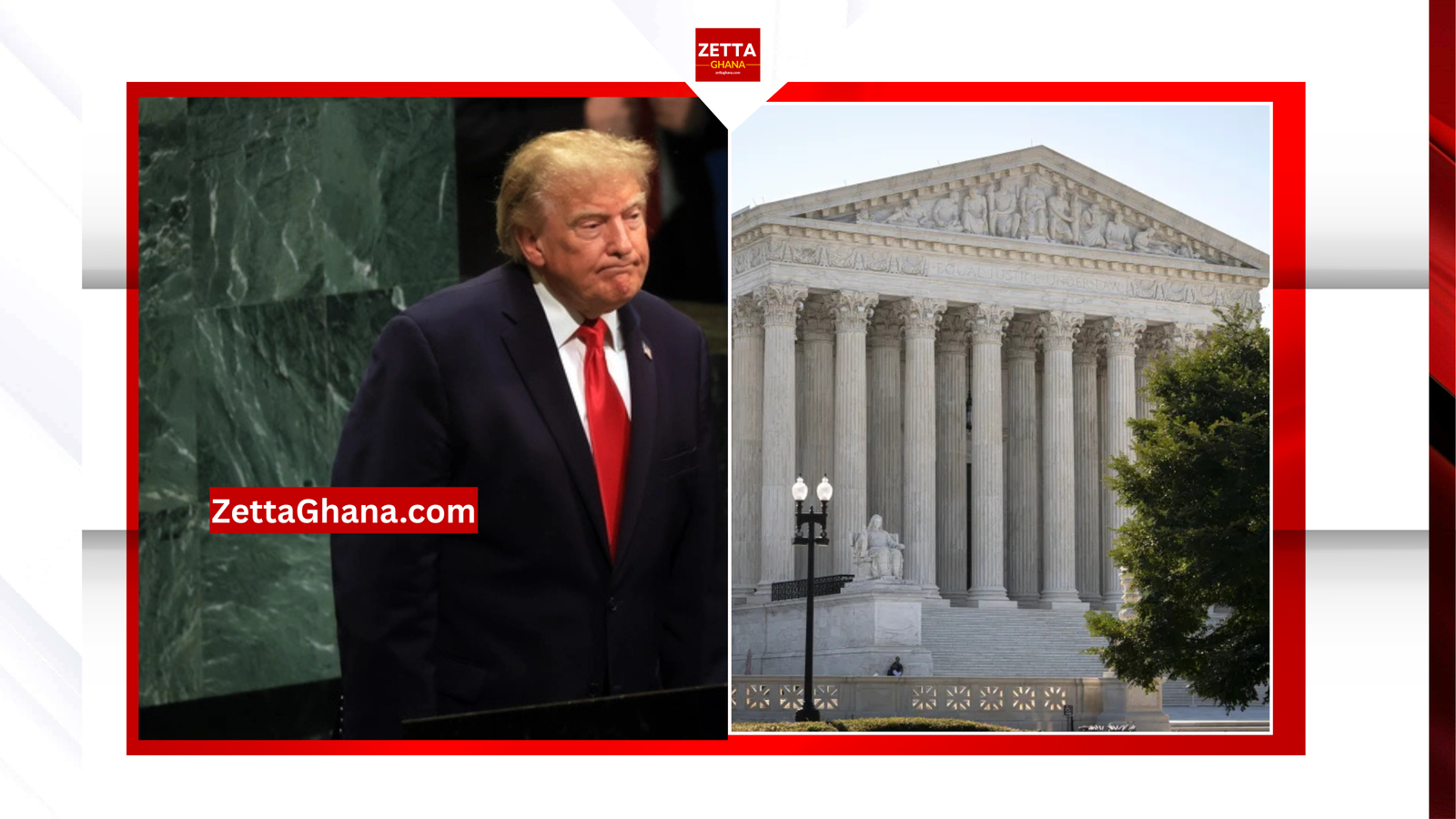
The US Supreme Court has cleared the way for the Trump administration to resume using an expanded federal database to help states verify the citizenship status of people listed on their voter rolls.
The decision, issued on Friday, September 25, allows the Department of Homeland Security (DHS) to continue operating the modified Systematic Alien Verification for Entitlements (SAVE) programme while the legal challenge against it proceeds.
SAVE was originally created in 1986 to help government agencies verify immigration and citizenship information for people seeking public benefits. The Trump administration expanded the system in 2025 to include additional records, including Social Security information, and enabled states to conduct searches involving multiple voters at once.
The administration has argued that the expanded system is necessary to help identify non-citizens who may be improperly registered to vote.
However, voting rights organisations have raised concerns about the reliability of the database and the possibility of eligible US citizens being incorrectly flagged.
The Supreme Court's order does not give states unrestricted authority to remove voters. Federal law restricts systematic changes to voter rolls during the 90 days before a federal election, a limitation that reduces the potential effect of Friday's ruling ahead of the November midterms. States may, however, continue individual citizenship checks.
Justice Ketanji Brown Jackson, joined by the court's other liberal justices, dissented. She warned that wrongly affecting even a small number of eligible voters could have serious consequences.
The League of Women Voters, which challenged the programme, said it remained committed to protecting voters' rights as the case continues.
The programme is currently being used by 26 states, according to Supreme Court filings.